
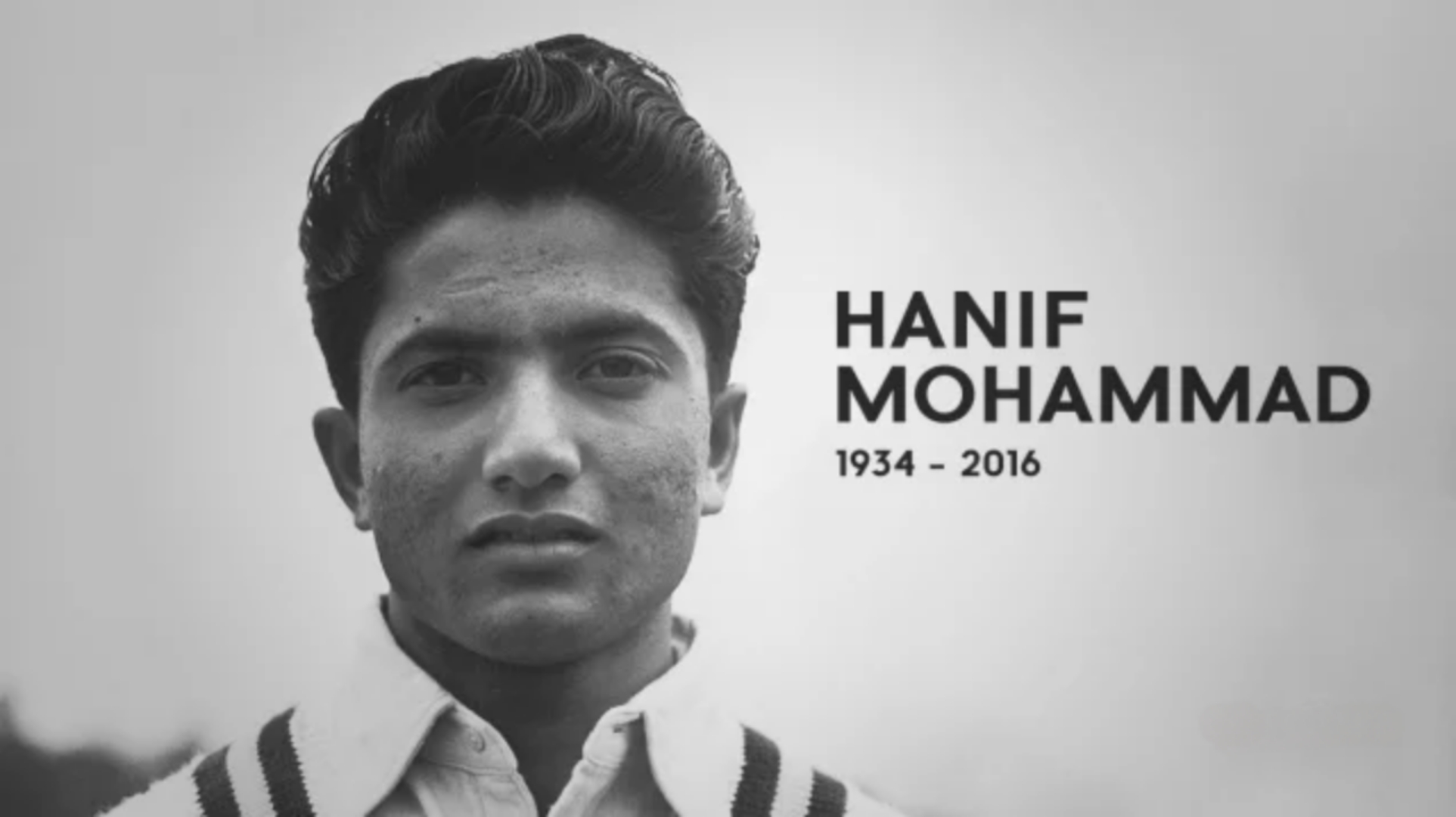
On Hanif Mohammad’s birthday, Pakistan cricket remembers a pioneer whose bat gave a young nation its first sense of permanence at the crease. Revered as the “Little Master”, Hanif was not merely Pakistan’s earliest batting great; he was the architect of its survival in Test cricket.
Born on December 21, 1934, Hanif made his Test debut at just 17, at a time when Pakistan were still finding their feet on the international stage. What followed was a career defined by patience, discipline and an almost unmatched capacity for concentration.
Across 55 Tests, Hanif scored 3,915 runs at an average of 43.98, with 12 centuries and nine half-centuries—numbers impressive in any era, but extraordinary in the age of uncovered pitches and relentless fast bowling.
His defining performance came in Bridgetown in 1958, a match that remains etched in cricketing folklore. Chasing survival against a fearsome West Indies attack, Pakistan were staring at an innings defeat when Hanif produced one of the game’s greatest acts of resistance.
Batting for 970 minutes, he compiled 337, then the longest innings in Test history. Pakistan saved the match, and in the process, announced themselves as a side capable of endurance and resolve. Even decades later, that innings stands as a benchmark for defensive excellence and mental strength.
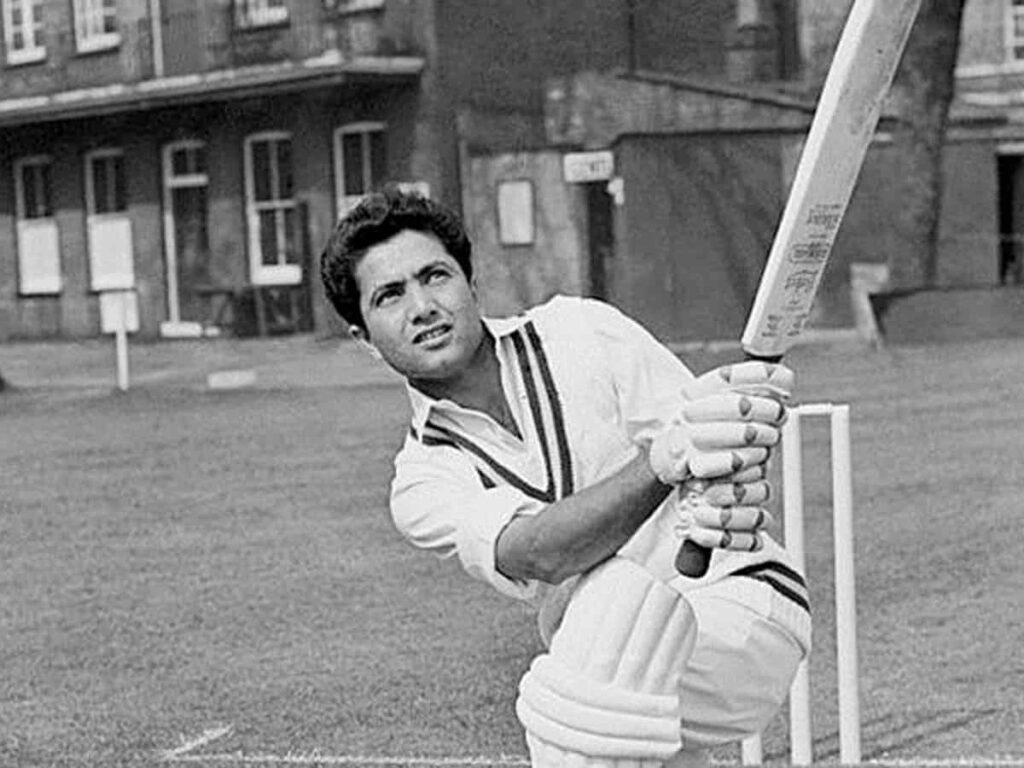
Hanif’s appetite for long innings was not confined to Tests. In first-class cricket, he scored 17,059 runs at an average of 52.32, including a staggering 499 for Karachi against Bahawalpur in 1959, an innings that stood as the highest score in first-class cricket for 35 years.
It was a testament to his hunger for time at the crease and his ability to dominate bowling attacks without excess risk.
Beyond the numbers, Hanif’s true contribution lay in the example he set. At a time when Pakistan cricket was searching for identity, he showed that technique and temperament could neutralise even the most hostile conditions. He became the blueprint for generations to follow, influencing a lineage of batters who valued patience as much as flair.
On his birthday, Hanif Mohammad is remembered not just as Pakistan’s first great batter, but as the man who taught a fledgling cricketing nation how to survive, compete and believe. His legacy endures every time a Pakistani batter chooses discipline over impulse and time over haste.
